Platform
Solutions
Resources
Modern journalism education faces a digital transformation challenge. Students must master not only traditional reporting skills but also navigate complex multimedia workflows, streaming platforms, and multi-channel content distribution. Meanwhile, program directors struggle to provide cohesive training when their content infrastructure consists of disconnected tools that don't reflect real-world newsroom operations.
Picture this: It's 11 PM, and journalism students are frantically trying to upload their investigative pieces to the campus website, coordinate with the university radio station for podcast distribution, prepare video content for the streaming channel, and manage social media promotion—all while maintaining tight deadlines. This fragmented approach leaves students unprepared for the integrated digital workflows they'll encounter in professional newsrooms.
The modern journalism landscape demands more than traditional publishing systems. Today's journalism graduates need hands-on experience with streaming platforms and content distribution that mirror industry standards. They must understand video content management, podcast hosting, live streaming for breaking news, and monetization strategies that sustain independent journalism ventures.
The right content management system transforms this chaos into a streamlined learning environment. It provides students with professional-grade tools while giving educators the oversight and structure needed for effective instruction. More importantly, it prepares graduates for careers in an industry where multimedia storytelling and digital distribution are fundamental requirements.
Here are the leading content management systems revolutionizing how university journalism programs organize, distribute, and monetize their student-produced content in 2025.
Best for: Universities seeking comprehensive streaming and content distribution with robust monetization options
Lightcast stands out as the longest-running over-the-top (OTT) video platform, bringing 15 years of end-to-end streaming experience to university journalism programs preparing students for the modern media landscape.
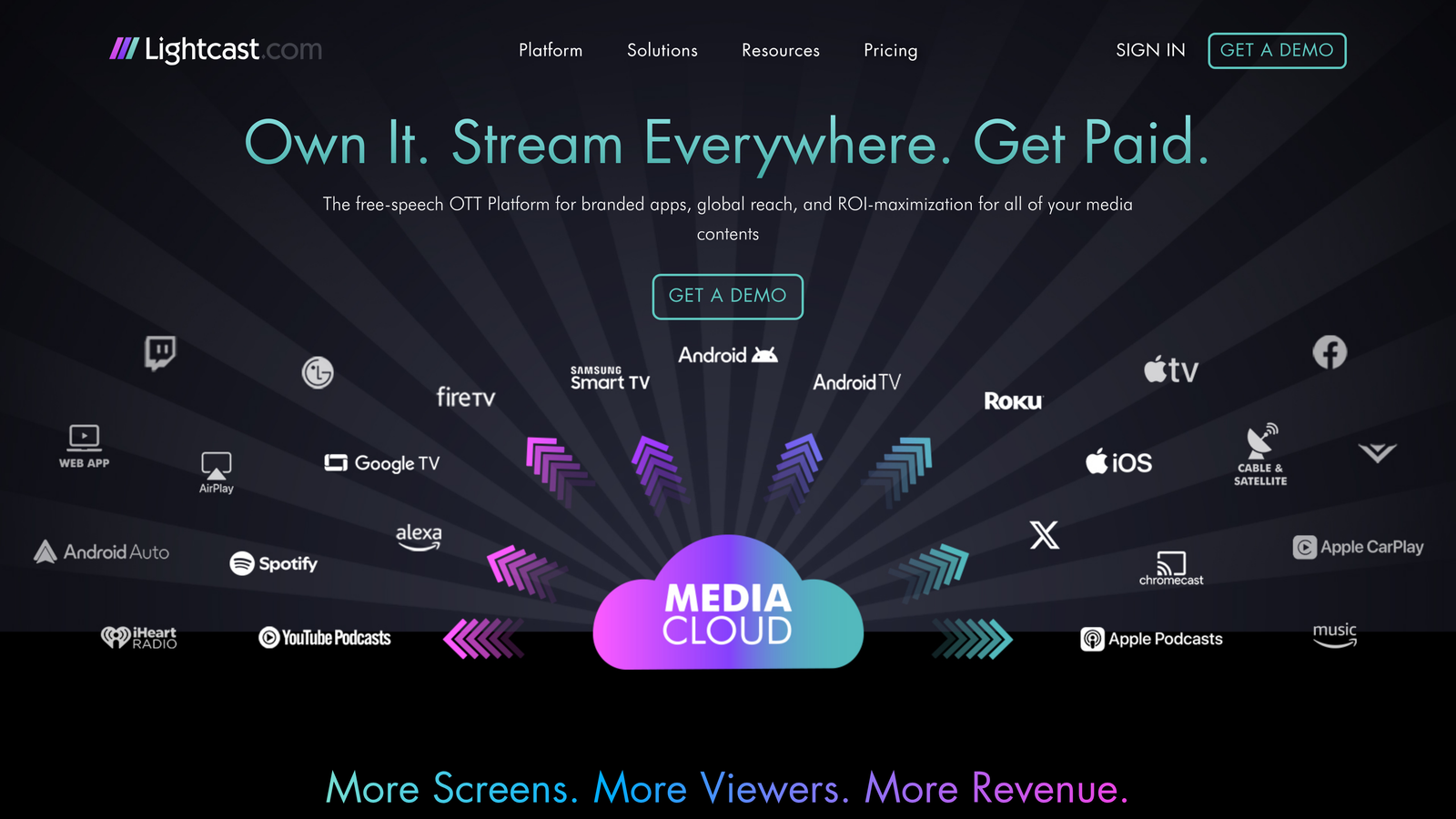
Lightcast excels in providing journalism programs with a complete ecosystem that mirrors professional newsroom workflows. Unlike traditional content management systems that focus solely on text-based publishing, Lightcast's Media Cloud system centralizes video content, live streaming, and multi-platform distribution in one unified interface—exactly what students will encounter in digital-first news organizations.
The platform's standout feature is its ability to get branded TV and mobile apps live in as little as 5 days across Roku, Apple TV, Fire TV, Android TV, iOS, and Android. This rapid deployment means journalism programs can establish their own streaming channels quickly, giving students hands-on experience with professional distribution workflows from day one. With over 15,000 apps published to date, Lightcast offers proven scalability that grows with a program's ambitions.
One-Button Multi-Platform Distribution: Students learn to publish content simultaneously across all major streaming platforms with a single action, understanding how professional newsrooms manage cross-platform distribution efficiently.
AI-Powered Content Organization: The Media Cloud system uses AI to help students categorize, tag, and manage multimedia projects, teaching them how modern newsrooms handle large content libraries.
Fair Monetization Models: Unlike platforms that take significant revenue shares, Lightcast allows universities to keep 100% of earnings from AVOD, SVOD, and TVOD models—teaching students about sustainable journalism business models without unfair platform fees.
Live Streaming Capabilities: Students gain experience with real-time broadcasting for breaking news coverage, live events, and interactive programming that mirrors professional broadcast journalism.
Automatic Technical Processing: The platform handles transcoding, thumbnail generation, and multi-platform formatting automatically, allowing students to focus on storytelling rather than technical specifications.
Ultra-Fast Global CDN: Content delivery through Lightcast's multi-layered CDN with unlimited scalability teaches students about professional-grade distribution infrastructure and global audience reach.
Lightcast is ideal for journalism programs that emphasize multimedia storytelling and want to prepare students for careers in digital-first media organizations. It's particularly valuable for universities looking to establish their own streaming channels, teach ethical monetization strategies, or provide hands-on experience with professional-grade distribution platforms.
Programs focusing on broadcast journalism, sports journalism, documentary production, or entrepreneurial journalism will find Lightcast's comprehensive feature set especially beneficial. The platform works well for medium to large programs producing regular video content who want students to experience the complete workflow from content creation through distribution and monetization.
Contact Lightcast directly for educational pricing, which typically includes volume discounts for university programs and specialized training resources tailored to journalism education needs.
Best for: Programs needing flexible, cost-effective publishing with extensive customization options
WordPress with Multisite enables journalism programs to create individual sites for different student publications, beats, or class projects while maintaining centralized administrative control.
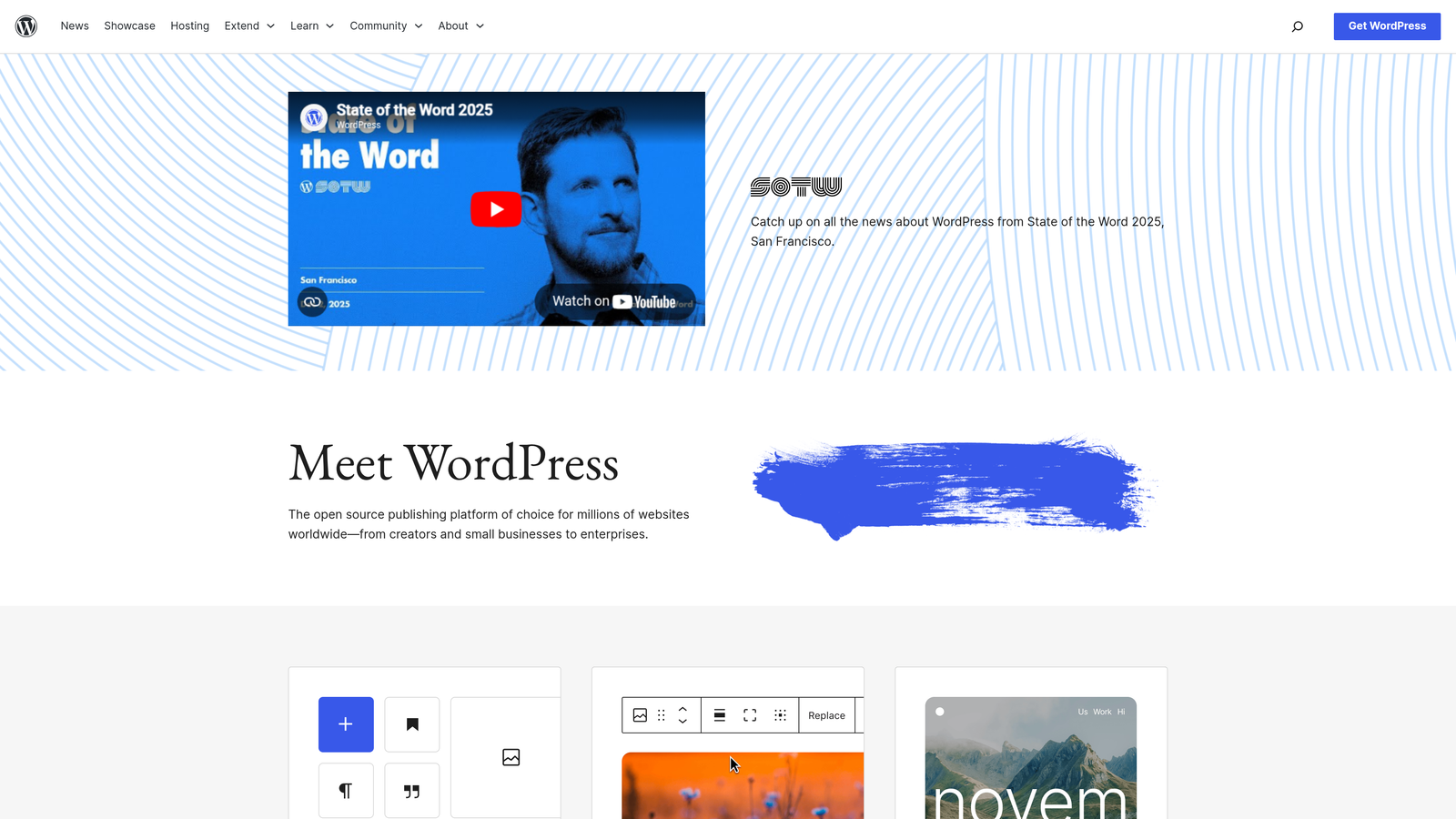
WordPress Multisite transforms how journalism educators structure student publishing experiences. Each student or team operates their own publication site while administrators maintain oversight—mirroring the structure of professional media organizations with multiple properties.
The platform's extensive plugin ecosystem provides specialized journalism tools. Editorial Calendar plugins visualize publishing schedules. PublishPress adds professional workflow management. Fact-checking integrations teach verification processes. Students experiment with thousands of available themes, learning how visual presentation affects reader engagement and brand identity.
Network Management: Create unlimited individual sites within a single installation, each with separate content and users while sharing core functionality.
Editorial Workflow Tools: Plugins like Editorial Calendar and PublishPress provide assignment tracking, revision control, and publication approval chains.
User Role Management: Assign different permission levels teaching students about editorial hierarchies—reporters, editors, publishers, and administrators.
SEO Optimization: Built-in tools including Yoast SEO teach students how search visibility affects content discovery and audience reach.
Media Library Management: Handle images, videos, audio files, and documents with organizational tools preparing students for multimedia newsroom workflows.
Comment Moderation Systems: Manage reader engagement teaching students about community management and online discourse moderation.
Analytics Integration: Connect Google Analytics and other tracking tools providing insights into audience behavior and content performance.
WordPress Multisite excels for journalism programs with limited budgets requiring maximum flexibility. The platform works particularly well for courses focusing on digital publishing, blog journalism, or programs where students maintain ongoing publications throughout their academic careers.
Programs with existing IT support staff benefit most—the technical team can handle server management and security updates while students focus on content creation. Universities already running WordPress installations can add Multisite functionality without additional hosting costs.
WordPress.org software is free and open-source. Hosting costs typically range from $10-50 monthly depending on traffic volume and storage requirements. Many universities already maintain WordPress hosting infrastructure, making Multisite implementation cost-neutral beyond initial setup time.
Best for: Programs emphasizing clean, professional publishing with built-in newsletter capabilities
Ghost Pro offers a streamlined publishing platform designed specifically for professional content creators, making it excellent for teaching modern digital journalism workflows.
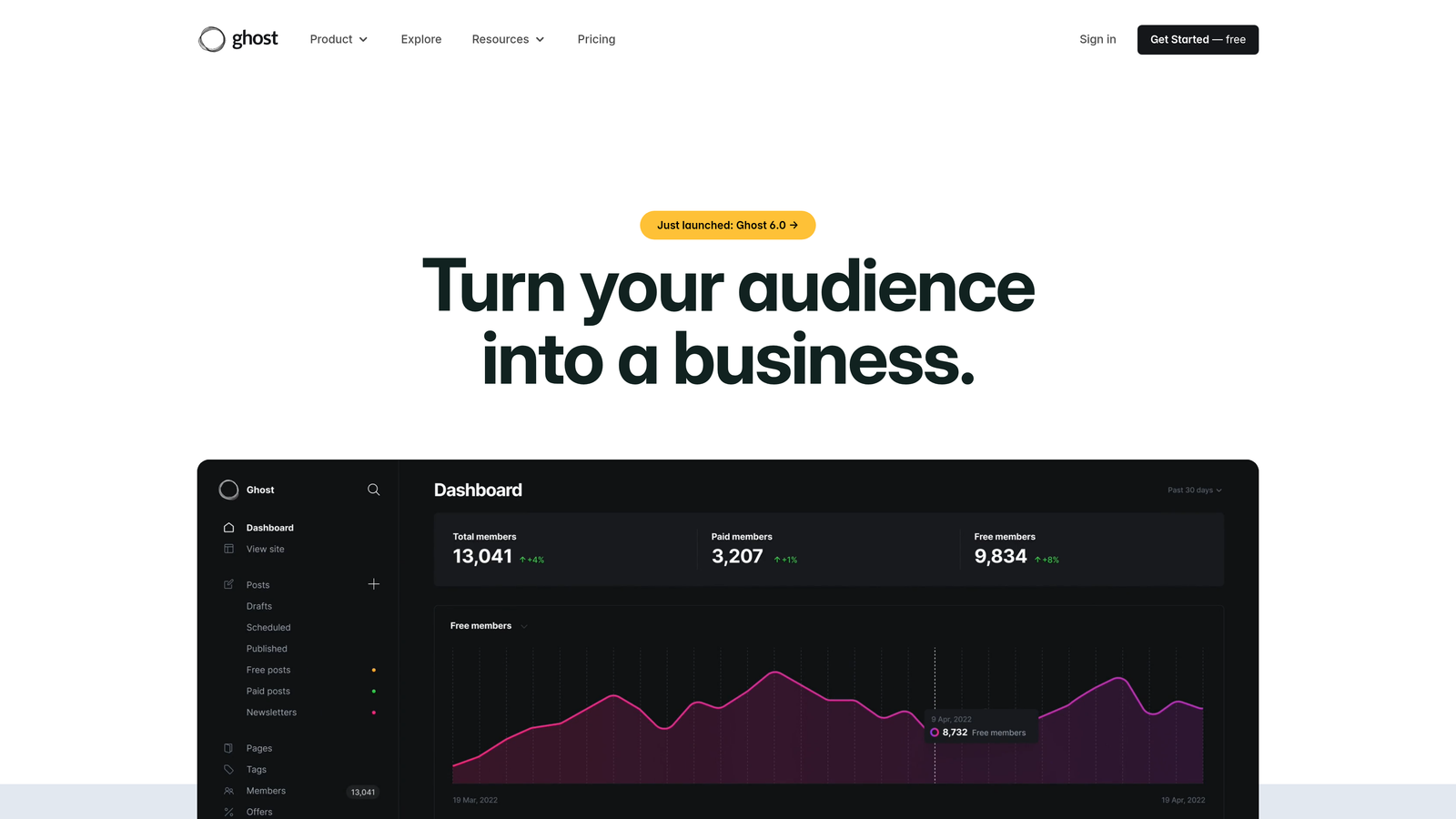
Ghost Pro eliminates the complexity often associated with content management systems, allowing students to focus on writing and storytelling rather than technical configuration. The platform's clean, distraction-free editor encourages quality writing while its built-in newsletter functionality teaches students about audience development and email marketing—crucial skills in today's media landscape.
The platform's speed and SEO optimization help students understand how technical performance affects reader experience and search visibility. Its membership features introduce concepts of sustainable journalism business models, preparing students for careers in independent media where direct audience relationships increasingly matter more than traditional advertising revenue.
Distraction-Free Writing Environment: The editor removes unnecessary clutter, encouraging focus on content quality and storytelling fundamentals.
Built-In Newsletter System: Students learn audience development strategies through integrated email marketing tools without requiring third-party services.
Advanced SEO Features: Automatic sitemaps and meta tag optimization teach students how technical factors influence content discoverability.
Membership and Subscription Tools: Built-in monetization features introduce sustainable journalism business models and direct reader support.
Custom Themes and Branding: Professional presentation options allow students to create polished publications that reflect their editorial vision.
Analytics Dashboard: Detailed reader engagement metrics help students understand audience behavior and content performance patterns.
Ghost Pro works best for journalism programs that prioritize professional writing skills and want to teach students about sustainable digital publishing models. It's particularly valuable for courses on entrepreneurial journalism or independent media creation.
Programs focusing on opinion writing, personal narrative journalism, or thought leadership benefit from Ghost's emphasis on clean, reader-focused design. Students planning freelance careers or independent media ventures gain practical experience with tools they might use professionally.
Plans start at $9 per month for basic features, with professional plans at $25 per month including advanced analytics and customization options. Educational discounts are available for qualifying institutions.
Best for: Large journalism programs requiring enterprise-level content management with complex workflow needs
Drupal provides robust content management capabilities that can handle the complex requirements of major university journalism programs with multiple publications and diverse content types.
Drupal excels in environments where journalism programs need to manage complex editorial workflows, multiple user roles, and diverse content types simultaneously. The platform's powerful taxonomy system allows for sophisticated content categorization—essential when students are producing investigative pieces, breaking news, feature stories, and multimedia projects that all require different organizational approaches.
For programs that produce investigative journalism or data-driven stories, Drupal's ability to integrate with external databases and APIs provides valuable hands-on experience with modern journalism tools. Students can connect to government databases, pull in real-time data feeds, or integrate with fact-checking services—mirroring the technical workflows they'll encounter in professional data journalism roles.
Advanced User Permission Systems: Create complex editorial hierarchies with granular control over who can create, edit, publish, different content types.
Custom Content Types: Design unique structures for different story formats—from standard articles to photo essays, interactive features, or data visualizations.
Workflow Management Tools: Implement real-world editorial processes including assignment tracking, revision control, and multi-stage publication approval chains.
Multi-Language Support: Essential for international journalism programs or universities with diverse student populations producing content in multiple languages.
API Integration Capabilities: Connect with external data sources, social media platforms, and specialized journalism tools for comprehensive digital storytelling.
Drupal is ideal for established journalism programs with dedicated technical support staff and complex content management needs. It's particularly valuable for programs that emphasize investigative journalism, data journalism, or manage multiple student publications simultaneously—such as a daily news site, weekly magazine, investigative unit, and multimedia lab all operating under one program.
The platform works best when you have IT resources to handle initial setup and ongoing maintenance, as its power comes with technical complexity that requires professional support.
Drupal core is free and open-source. Implementation costs vary widely based on customization needs, typically ranging from $5,000-50,000 for university installations including hosting, professional setup, and initial training.
Best for: Programs focusing on visual storytelling and portfolio development with minimal technical overhead
Squarespace combines elegant design templates with user-friendly content management, making it excellent for journalism programs that emphasize visual storytelling and professional portfolio creation.
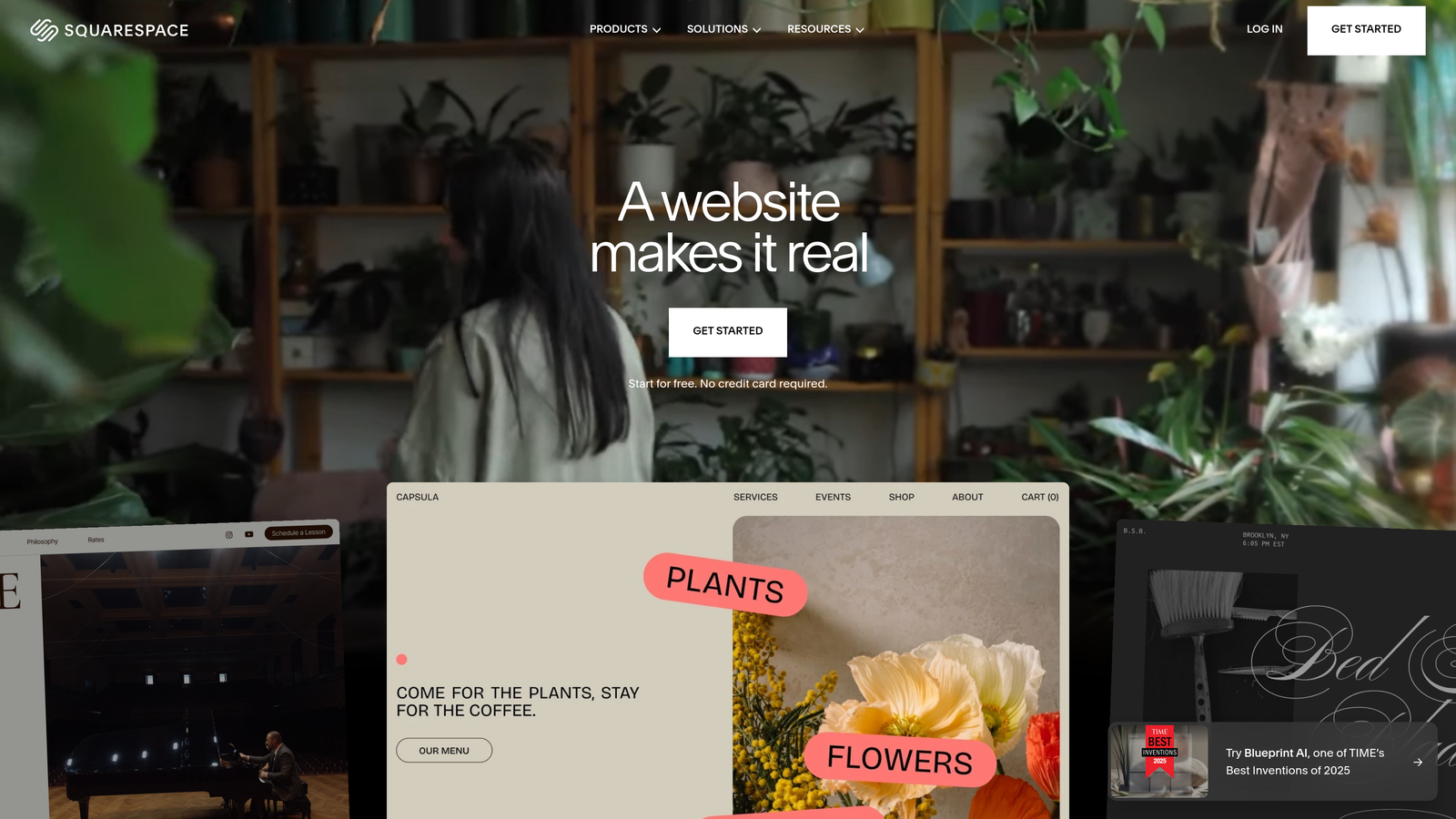
Squarespace removes technical barriers that often prevent journalism students from creating professional-looking publications. The platform's design-first approach teaches students about the importance of visual presentation in digital media—a critical skill as audiences increasingly expect polished, mobile-optimized content experiences.
For photojournalism and multimedia programs, Squarespace's image and video optimization features ensure student work displays at optimal quality across all devices. The drag-and-drop editor allows students to experiment with different layouts and visual hierarchies without coding knowledge, helping them understand how design choices affect storytelling impact and reader engagement.
AI Website Builder: Drag-and-drop customization with AI-powered design assistance helps students create professional sites quickly.
Media-Optimized Templates: Professionally designed templates specifically built for portfolios, blogs, and online publications with automatic mobile responsiveness.
Integrated Marketing Tools: Built-in email campaigns and scheduling functionality teach students about audience development and content promotion strategies.
E-commerce Capabilities: Online store functionality provides hands-on experience with media monetization and sustainable journalism business models.
Analytics Dashboard: Built-in analytics help students understand reader behavior, engagement patterns, and content performance metrics essential for modern media careers.
Squarespace works best for journalism programs that prioritize visual storytelling, portfolio development, or entrepreneurial journalism education. It's particularly valuable for photojournalism courses where image presentation quality directly impacts storytelling effectiveness.
The platform excels in programs where students create professional portfolios for career development. Graduating students can maintain their Squarespace sites independently, ensuring their work remains accessible to potential employers.
Programs teaching entrepreneurial journalism benefit from Squarespace's all-in-one approach—students learn website management, content publishing, email marketing, and basic e-commerce within a single integrated platform.
Plans range from $12-40 per month with educational discounts available. All plans include hosting, security, SSL certificates, and technical support. Domain registration starts at $14 annually with free WHOIS privacy and premium DNS included.
Best for: Programs teaching platform journalism and audience development on established networks
Medium for Organizations provides journalism programs with immediate access to an established readership while teaching students the realities of platform-based publishing in today's digital media landscape.
Medium removes the cold-start problem that plagues most student journalism projects. Instead of publishing to empty websites where only classmates and instructors read their work, students immediately tap into Medium's millions of active readers across virtually every topic imaginable. This real-world feedback loop transforms classroom exercises into genuine publishing experiences.
The platform's algorithmic distribution system teaches crucial lessons about content discovery that students won't learn from traditional CMS platforms. When a student's article gets recommended to readers based on their interests and reading history, they experience firsthand how modern content distribution actually works—not through manual promotion, but through platform algorithms that reward quality and engagement.
For programs emphasizing opinion journalism, personal narrative, or thought leadership, Medium's community-driven approach provides something textbooks can't: authentic audience reactions. Students learn to write for real readers with real expectations, not just for grades.
Built-in Audience Access: Students publish to millions of engaged readers across diverse topics without building audiences from scratch.
Algorithmic Distribution: Content gets recommended based on reader interests, teaching modern discovery principles beyond social media sharing.
Engagement Metrics: Detailed analytics show claps, reading time, and reader retention patterns that inform writing improvement.
Publication Management: Organize student work under program branding while maintaining individual author profiles and portfolios.
Partner Program Integration: Eligible students can earn money from their writing, introducing sustainable career concepts early.
Clean Writing Environment: Standardized formatting eliminates design distractions, forcing focus on content quality and storytelling.
Medium works exceptionally well for journalism programs that want students to understand platform publishing dynamics and audience development strategies. It's particularly valuable for opinion writing courses where student perspectives can genuinely resonate with public audiences.
Programs emphasizing personal narrative journalism, essay writing, or thought leadership benefit from Medium's community of readers who actively seek substantive content. Students building personal brands in media—increasingly important for freelance and independent journalism careers—gain authentic experience growing readership on an established platform.
The platform also serves programs teaching entrepreneurial journalism, where understanding platform economics, audience building, and sustainable writing careers matters as much as traditional reporting skills.
Medium for Organizations starts at $5 per month per writer, with bulk educational pricing available for larger programs seeking to onboard entire classes or cohorts.
Best for: Programs combining journalism with web design and interactive storytelling
Webflow bridges the gap between content management and web design, offering journalism programs the ability to create highly customized, interactive publications without extensive coding knowledge.
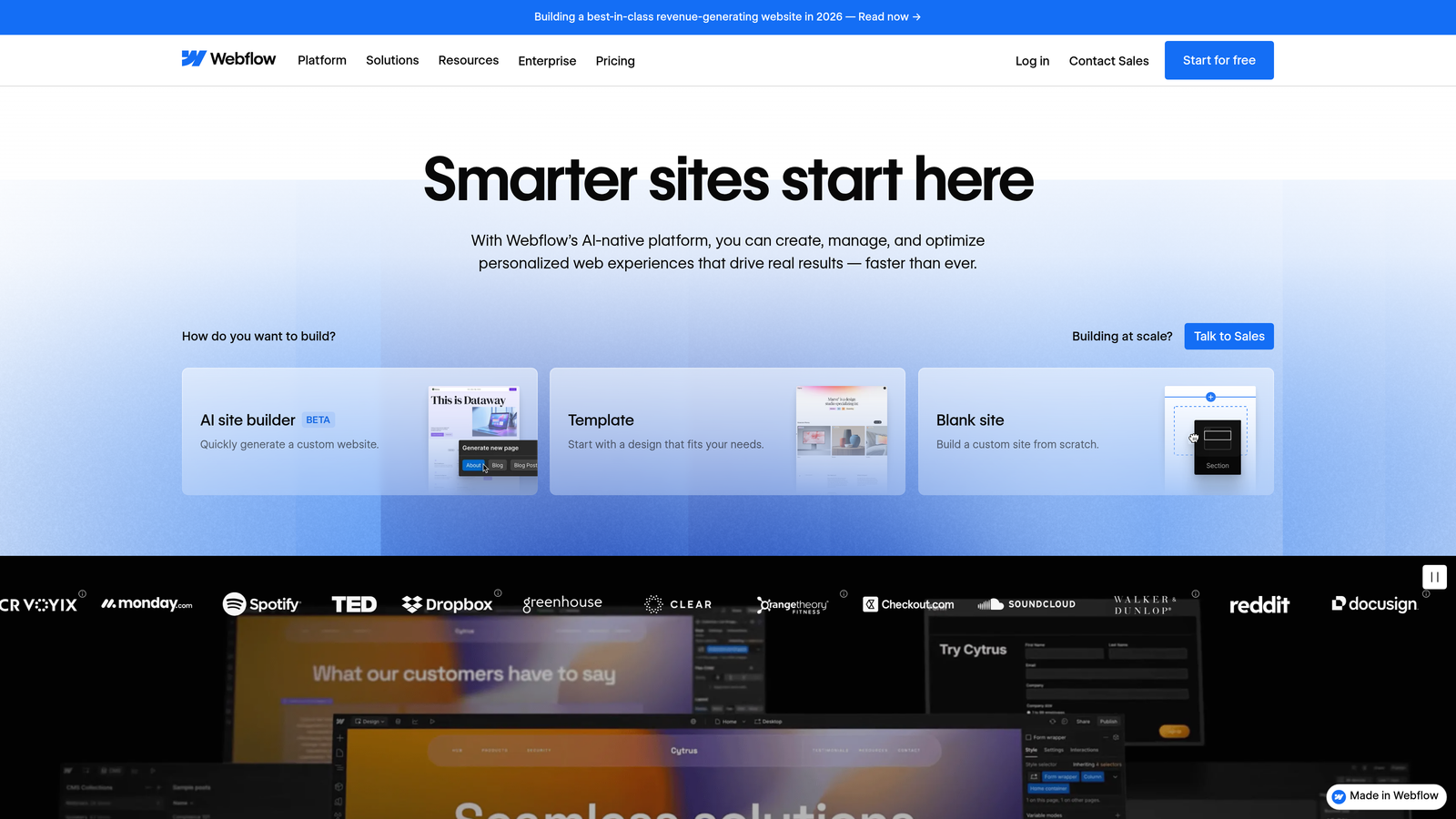
Webflow empowers journalism students to create truly unique digital experiences that go beyond traditional article formats. The platform's visual development approach allows students to experiment with interactive storytelling techniques, data visualizations, and immersive multimedia presentations that are increasingly important in modern journalism.
For programs that emphasize digital innovation or entrepreneurial journalism, Webflow's ability to create custom, professional-grade websites provides students with valuable technical skills alongside their journalism training. The platform's composable CMS capabilities enable complex content structures while maintaining design flexibility essential for innovative storytelling approaches.
Visual Website Builder: Create responsive, custom designs with the power of code—visually, requiring no programming knowledge.
AI-Native Platform: Generate production-ready components and optimize web experiences with integrated AI capabilities.
Composable CMS: Build unique content structures tailored to specific story formats and multimedia journalism needs.
Figma Integration: Seamlessly translate design concepts from Figma directly into functional websites.
Interactive Elements: Add animations, scroll effects, and dynamic interactions that enhance multimedia storytelling.
Responsive Design Automation: Ensure content works flawlessly across all devices without manual adjustments for each screen size.
Built-in SEO Tools: Optimize content for search engines directly within the design process, teaching students about digital discoverability.
Webflow is ideal for journalism programs that want to push the boundaries of digital storytelling and teach students about the intersection of journalism and web technology. It's particularly valuable for multimedia journalism courses, data journalism programs, or curricula that emphasize innovation in digital media.
The platform works best for students who want to create portfolio-quality projects that stand out from standard blog formats, and for programs that value teaching both content creation and technical design skills simultaneously.
Plans start at $14 per month for basic sites, with CMS plans at $23 per month including advanced content management features. Educational discounts are available for qualifying institutions, making it accessible for university programs.
Choosing the right content management system for your journalism program ultimately depends on your specific educational priorities and resource constraints. If you're preparing students for careers in streaming media and digital-first newsrooms, Lightcast delivers the comprehensive video distribution and monetization capabilities that mirror professional workflows. For budget-conscious programs seeking maximum flexibility, WordPress Multisite provides robust publishing tools with extensive customization options. Programs emphasizing clean, professional writing and audience development will find Ghost Pro's streamlined approach particularly effective.
Consider your students' career trajectories when making your selection. Programs emphasizing entrepreneurial journalism benefit from platforms with built-in monetization tools and audience development features. Students heading toward traditional newsrooms need experience with professional editorial workflows and multi-user content management systems that reflect real-world operations.
The integration of streaming and content distribution capabilities into journalism education is no longer optional—it's essential preparation for modern media careers. Whether you choose a comprehensive platform or combine multiple tools to create a custom solution, ensure your students graduate with hands-on experience in the multimedia workflows that define contemporary journalism.
Ready to transform your journalism program's content management approach? Start by identifying your top three educational priorities, then match them against the platforms that best support those goals. Learn more about our services and discover how the right content infrastructure can prepare your students not just for their first jobs, but for leadership roles in the evolving media landscape.